

What are TYPE 5 elastomeric pads
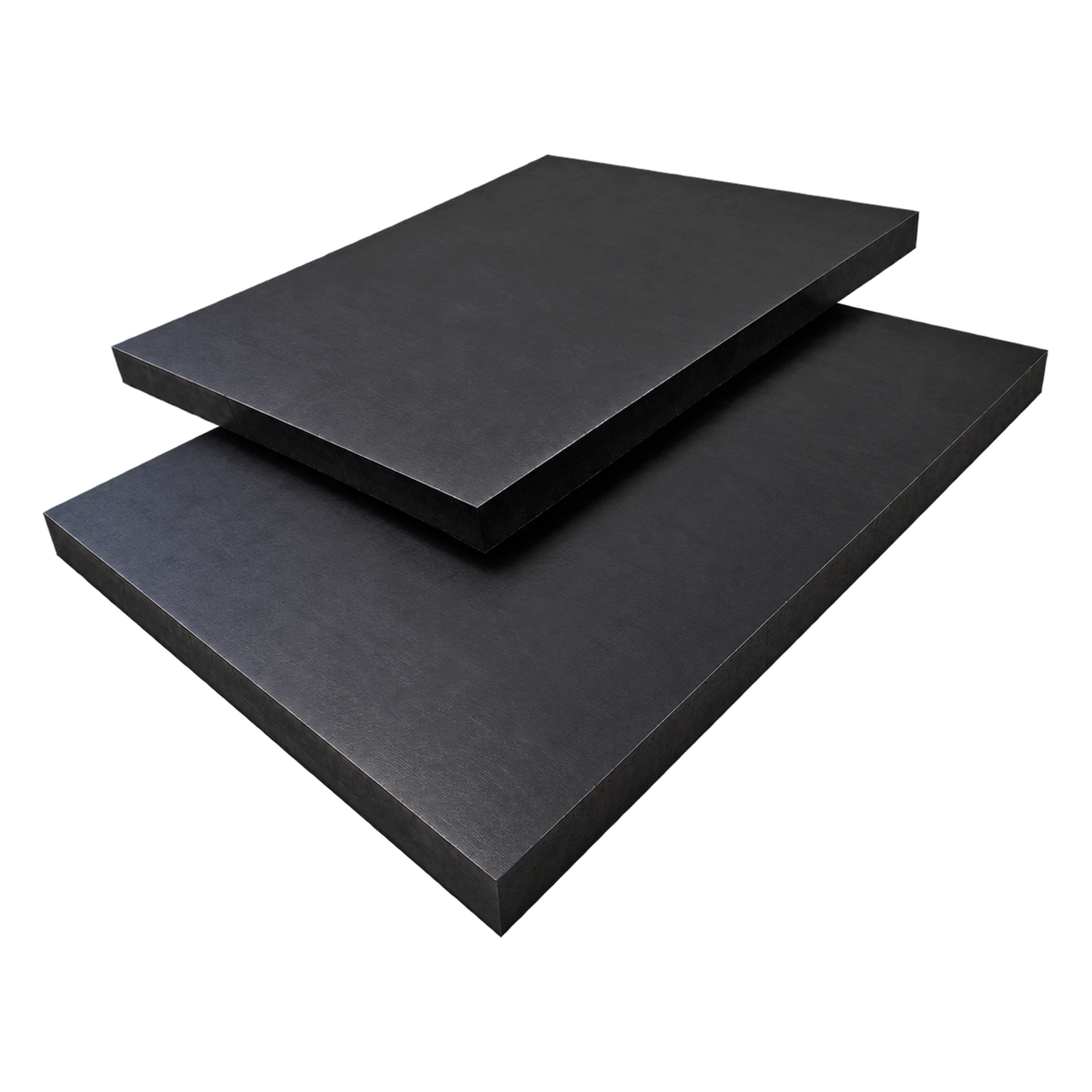
TYPE 5 are unreinforced elastomeric pads and strips for bearings of precast and cast-in-place concrete, steel and other structures. They provide a controlled distribution of load at the support, allow horizontal displacements and rotations to be transferred without inducing additional stresses, and protect the edges of reinforced concrete elements from spalling. The pads are made of unreinforced elastomer of 65 Sh A hardness, with a maximum design compressive stress of σR,d = 14 N/mm². In construction, such pads are often called neoprene pads. We make TYPE 5 pads to project dimensions in 1–2 days. Permissible stresses, loads and rotations by pad thickness and dimensions are given in the TYPE 5 technical data sheet (PDF).
Where TYPE 5 pads are used
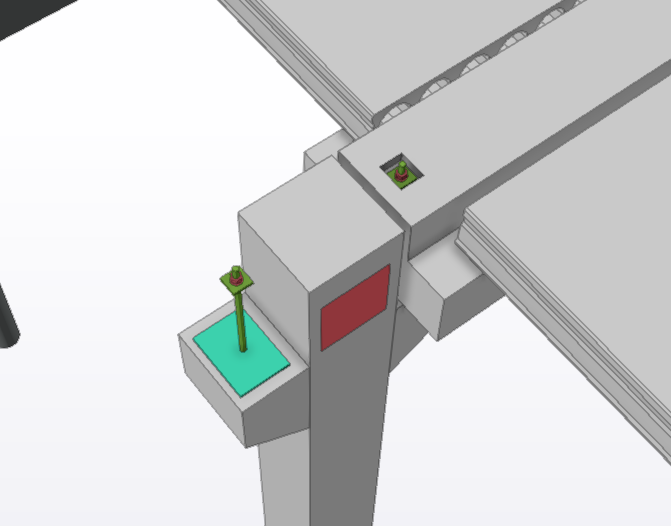
- Supports of precast concrete beams, slabs and other elements, for example on column corbels.
- Supports of cast-in-place concrete structures.
- Supports of steel structures.
- Supports of other structures.
Key properties of TYPE 5
- Distributes the load evenly at the support and protects the edges of reinforced concrete elements from spalling.
- Allows horizontal displacements and rotations to be transferred without inducing additional stresses in the support.
- Compensates for unevenness of the substrate and deviations from the horizontal plane.
- Unreinforced elastomer of 65 Sh A hardness, maximum design compressive stress σR,d = 14 N/mm².
- Designed using the shape factor, taking into account cut-outs, holes and the required distances from the support edges in accordance with EN 1992.
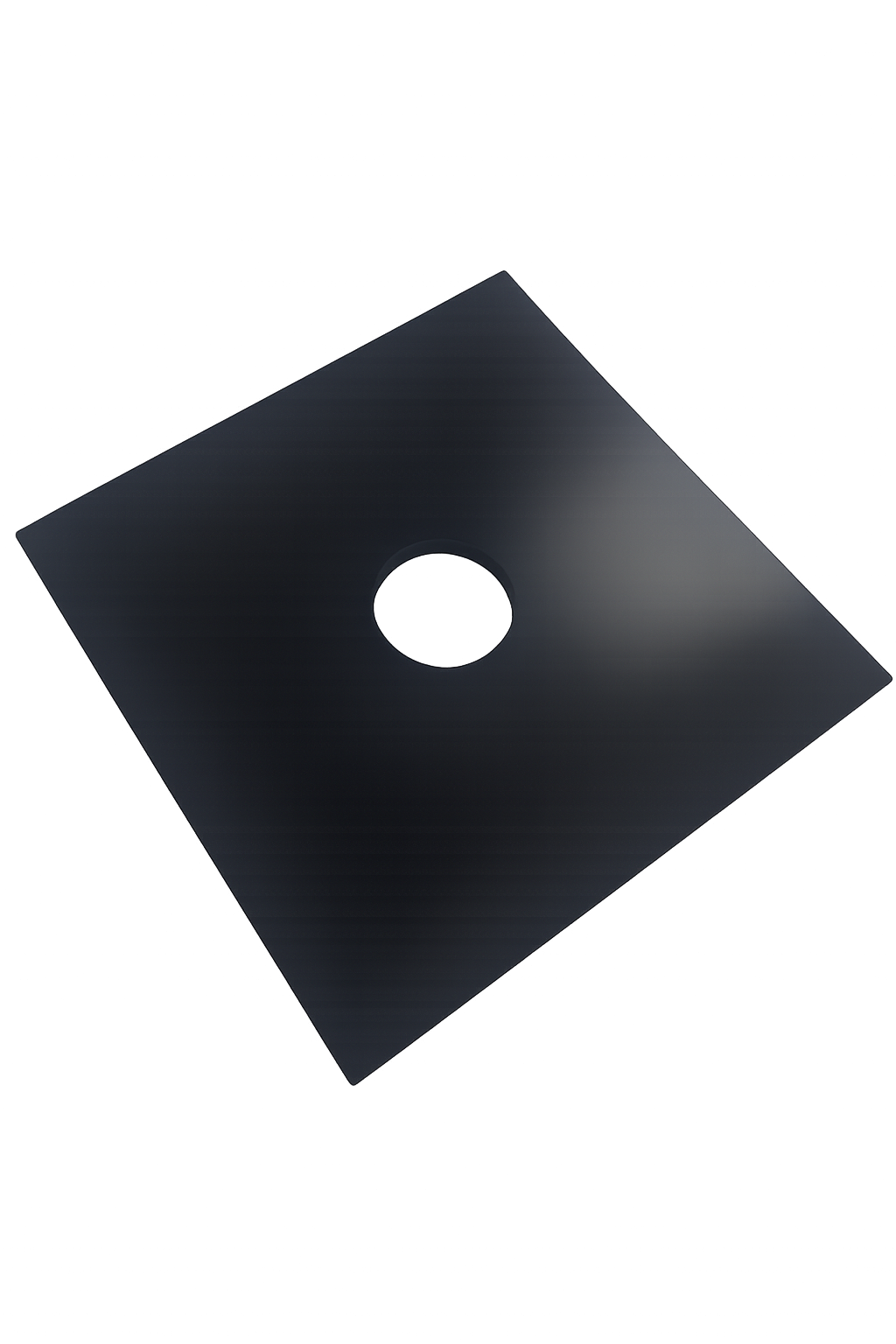
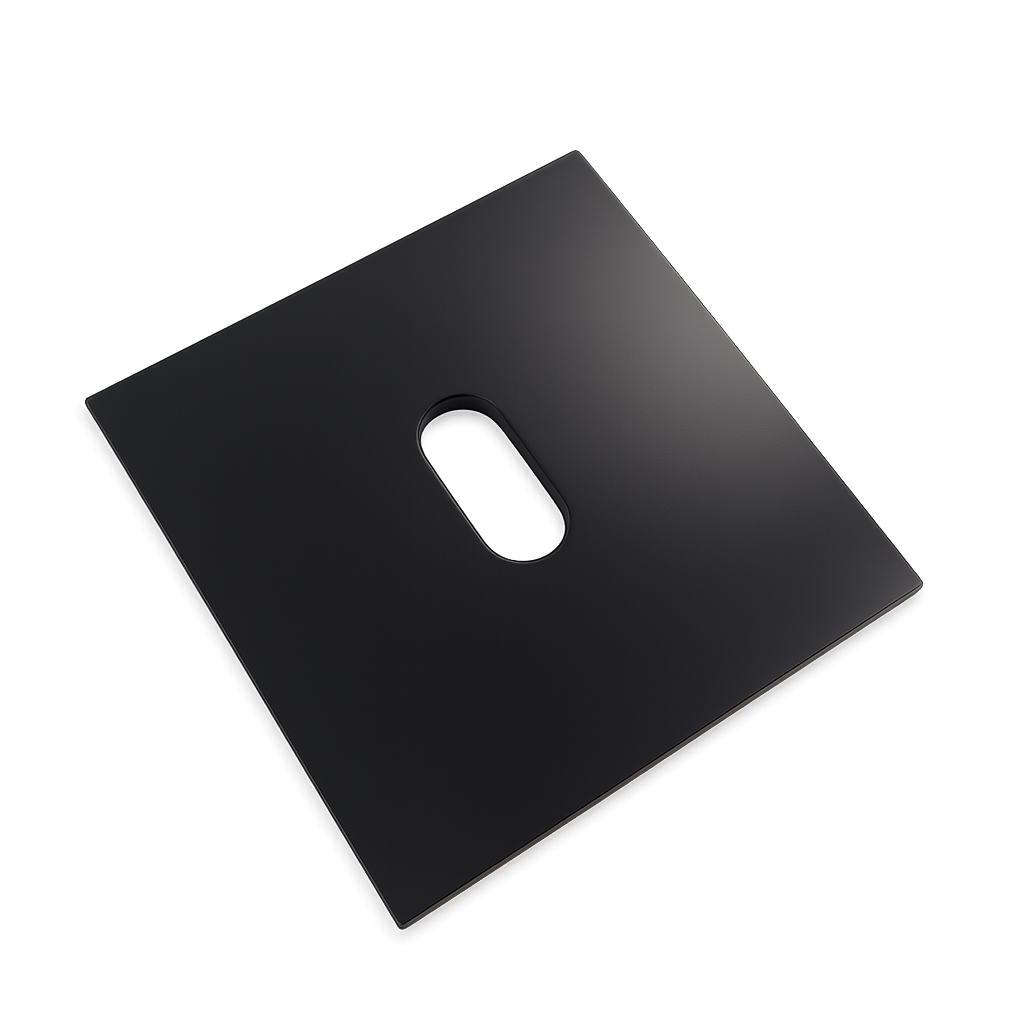
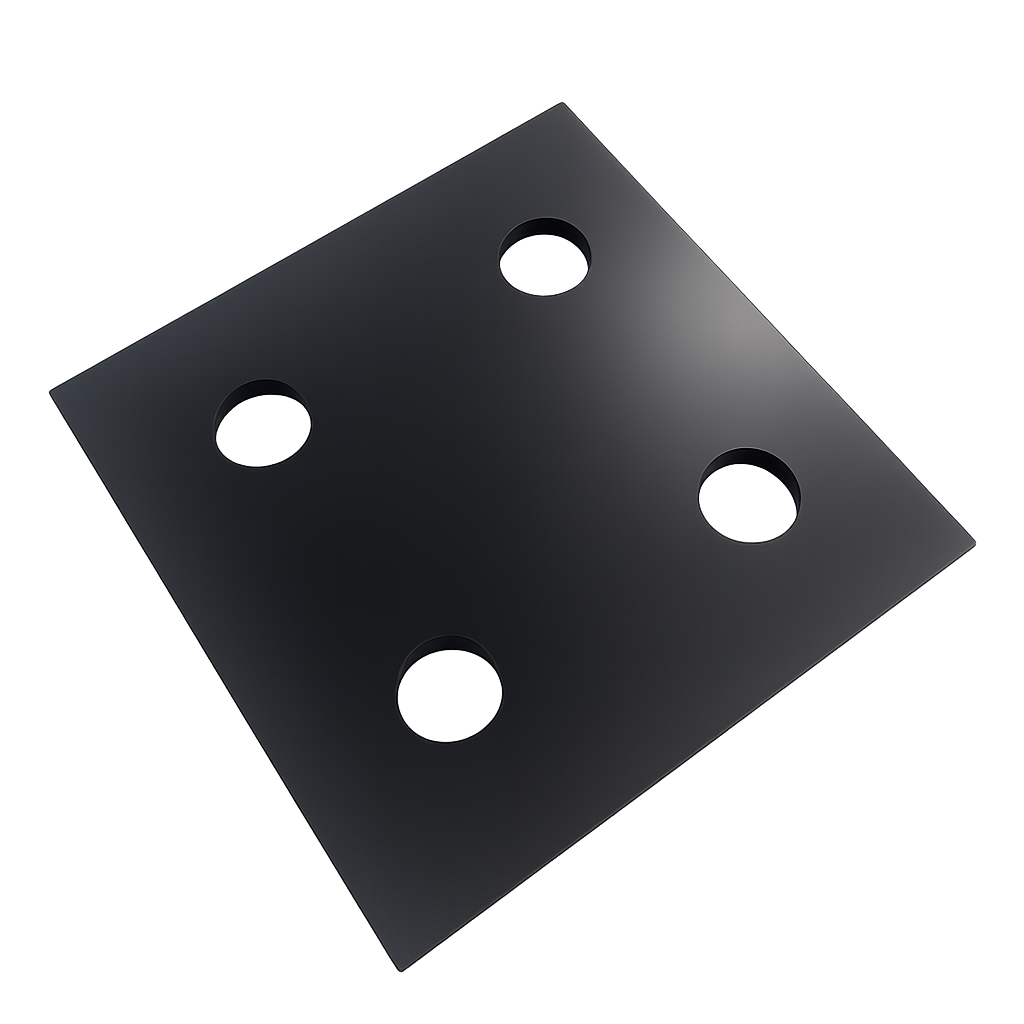
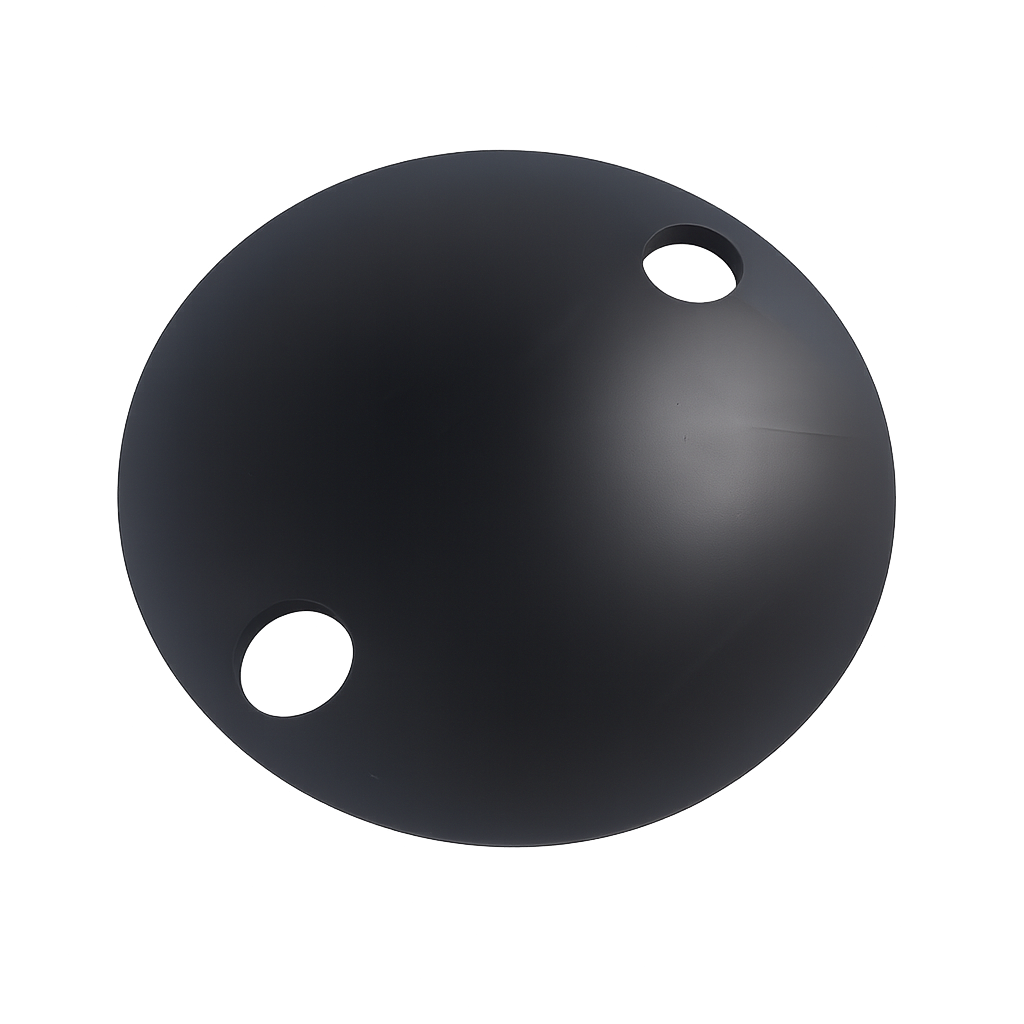
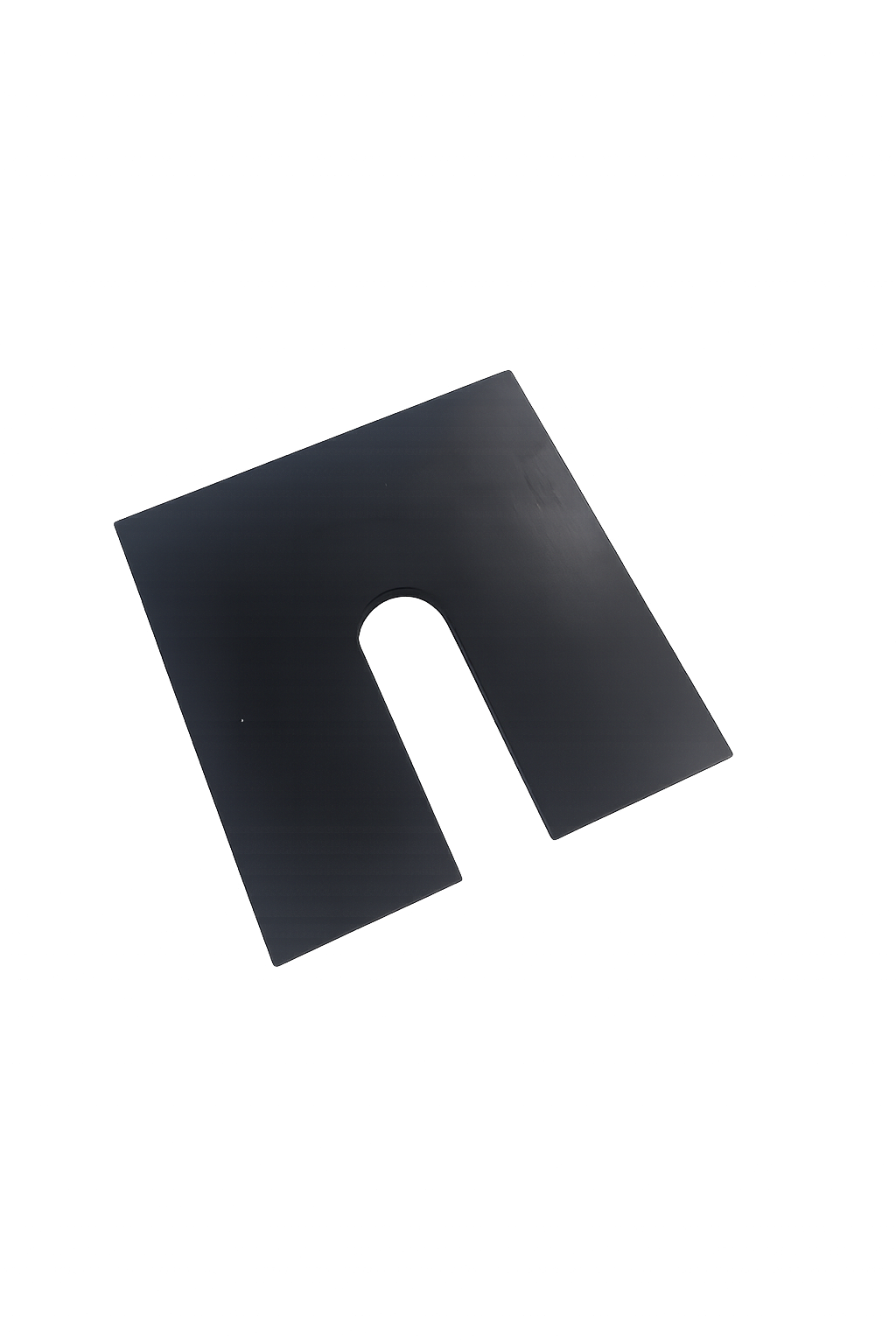
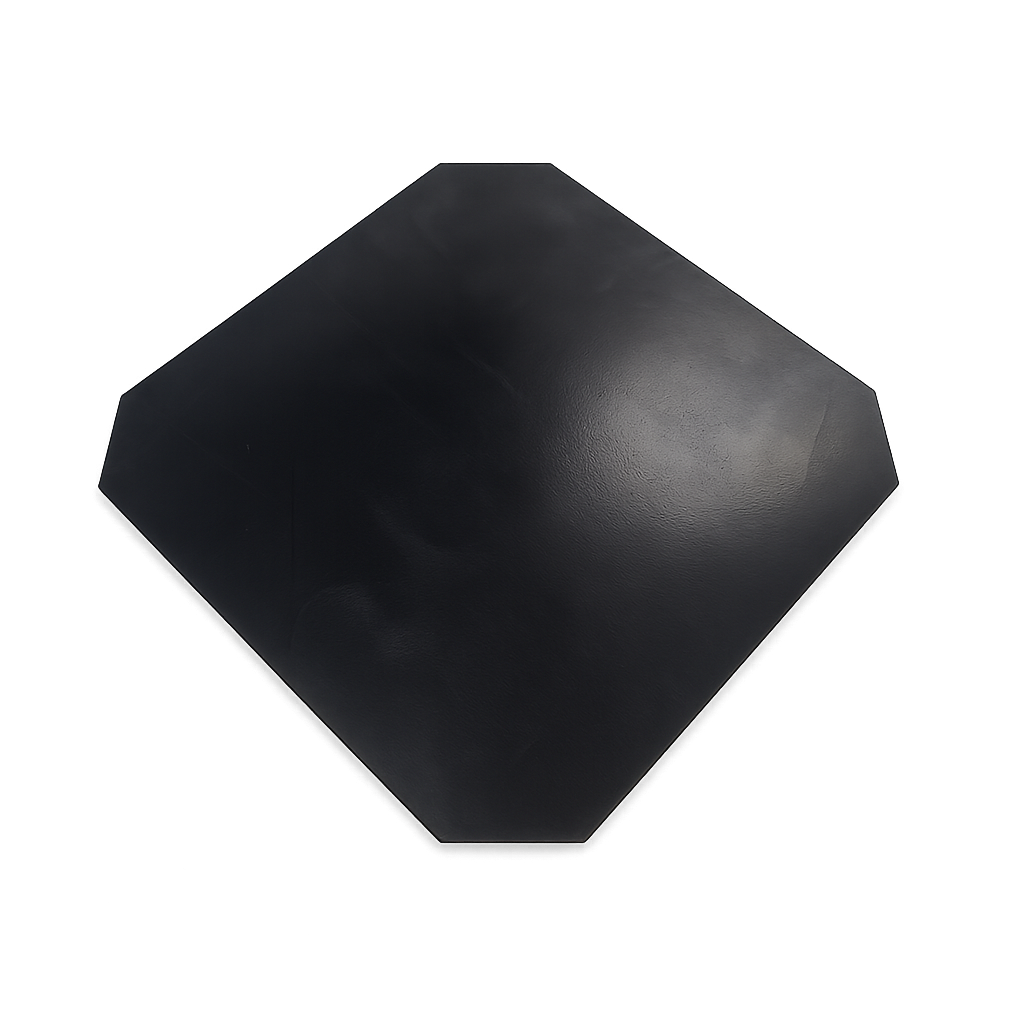
- Made to project dimensions: chamfers, round and rectangular holes, notches, slots, cut-outs and cut corners are possible.
Dimensions
The maximum product size is 1200 × 1200 mm. Standard pad and strip thicknesses are 10, 15 and 20 mm; other thicknesses are available on special order. Permissible design loads by pad dimensions and thickness are given in the TYPE 5 technical data sheet (PDF) – for pads 50–600 mm wide and 100–500 mm long.
Production and delivery
We make TYPE 5 pads to project dimensions in 1–2 days. Chamfers, round and rectangular holes, notches, slots, cut-outs and cut corners are possible. To get a quote, send us a pad drawing or specification, or give the pad dimensions, thickness and quantity.
Frequently asked questions
Are TYPE 5 neoprene pads?
Elastomeric bearing pads are often called neoprene pads in construction, although they are not made only of neoprene. TYPE 5 pads are made of unreinforced 65 Sh A elastomer and do the same job: they distribute the load evenly at the support, protect the edges of reinforced concrete elements from spalling and compensate for unevenness of the bearing surface.
What load can a TYPE 5 pad carry?
It depends on the pad thickness and dimensions, as the load-bearing capacity is calculated using the shape factor. The maximum design compressive stress is 14 N/mm². For example, a 10 mm thick 100 × 200 mm pad has Fd,max = 280 kN, while a 20 mm thick pad of the same size has 148 kN. All values are given in the technical data sheet.
How does TYPE 5 differ from TYPE 10?
TYPE 5 is made of 65 Sh A elastomer and carries a design stress of up to 14 N/mm², while TYPE 10 is made of a harder 70 Sh A elastomer with up to 21 N/mm². For example, a 10 mm thick 100 × 200 mm TYPE 5 pad carries 280 kN, while the same TYPE 10 pad carries 420 kN. Dimensions, thicknesses and available shapes are the same for both products.
How to choose the pad thickness?
A thinner pad carries a higher stress, while a thicker pad allows a larger rotation of the supported member. For example, the permissible design stress for a 100 × 100 mm pad is 11.9 N/mm² (10 mm), 7.4 N/mm² (15 mm) and 5.3 N/mm² (20 mm), while the permissible rotation for a 300 mm wide pad is 15 ‰, 22.5 ‰ and 30 ‰ respectively.
What clearance should be left from the edge of the support?
Unreinforced pads expand under load, so the pad width must be smaller than the bearing dimension of the structure. As a rule, we recommend a clearance of at least 25 mm (including chamfers) between the edge of the supporting structure and the pad.
Can pads be made with holes or cut-outs?
Yes. We make pads with chamfers, round or rectangular holes, notches, slots, cut-outs or cut corners. The values in the data sheet tables do not account for holes, so their effect must be considered in the design.
How should the surfaces be prepared before installation?
Pads must be installed on flat surfaces free of indentations and protrusions. Before installation, make sure that the surfaces of the pad or strip are free of dirt, grease, solvents, ice or oil.
How quickly can you make TYPE 5 pads?
We make TYPE 5 pads to project dimensions in 1–2 days, including chamfers, holes, notches and cut-outs.
Related products
- TYPE 10 – unreinforced elastomeric pads of 70 Sh A hardness for structural bearings.
- LINEAR SI neoprene strip – for structural supports.
- TYPE W – profiled elastomeric strip for impact sound insulation.
- All non-reinforced elastomeric bearings.