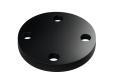


THERMO X – load-bearing structural thermal break plate
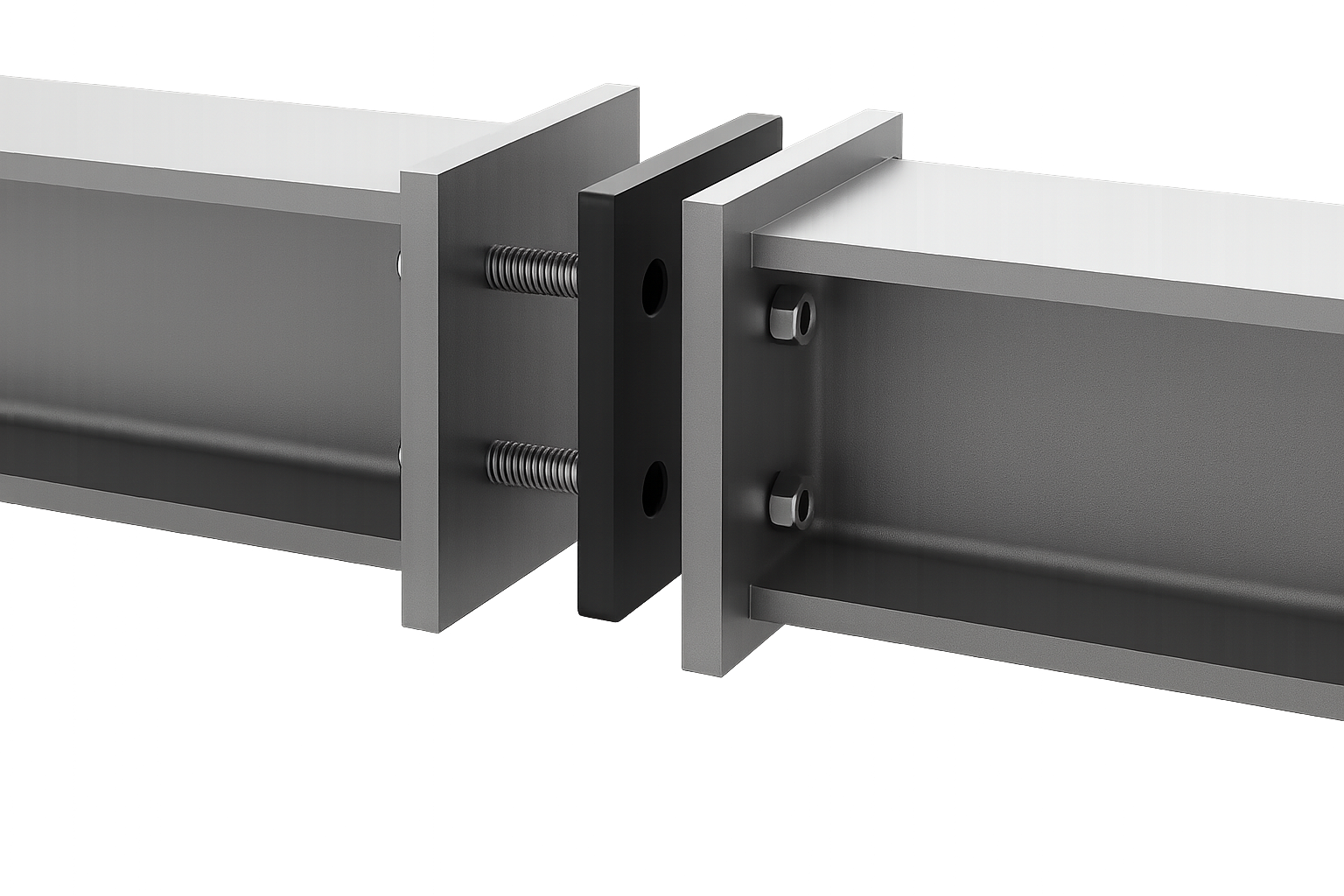
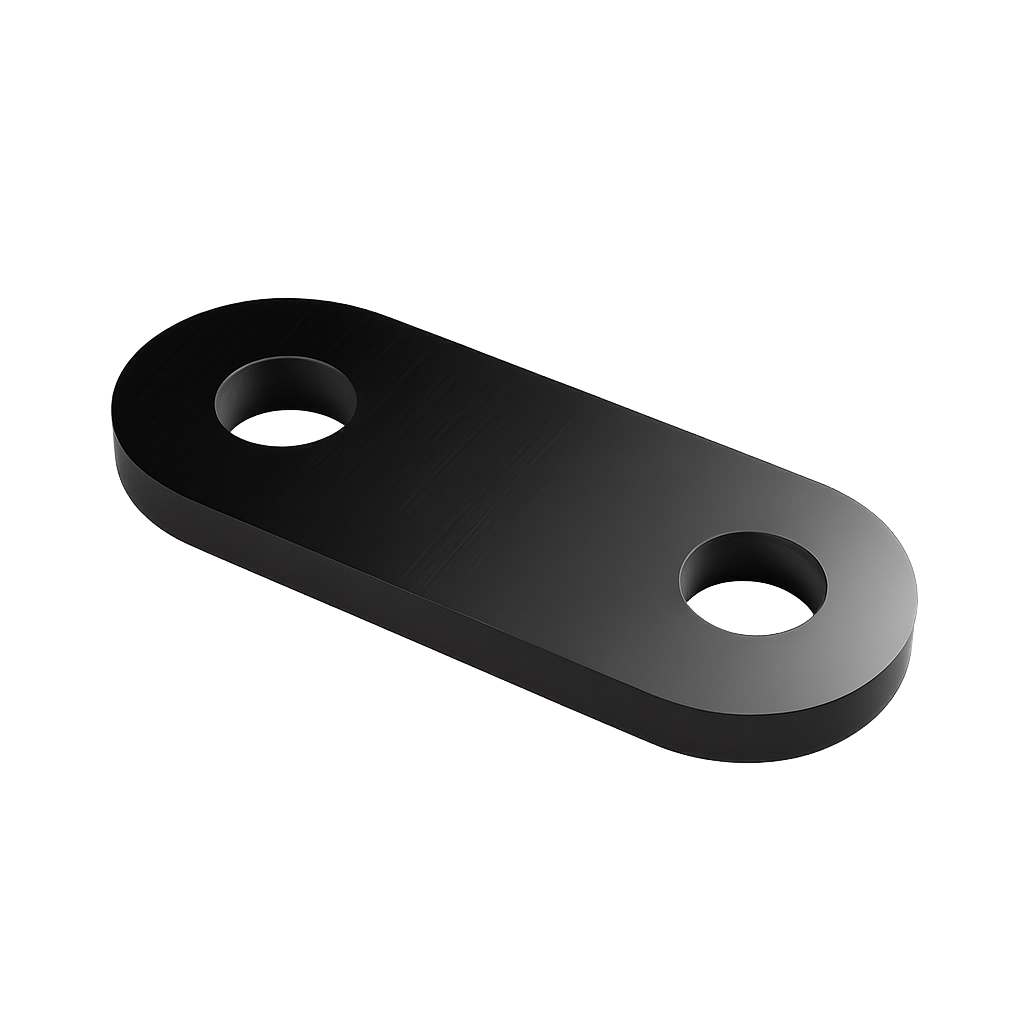
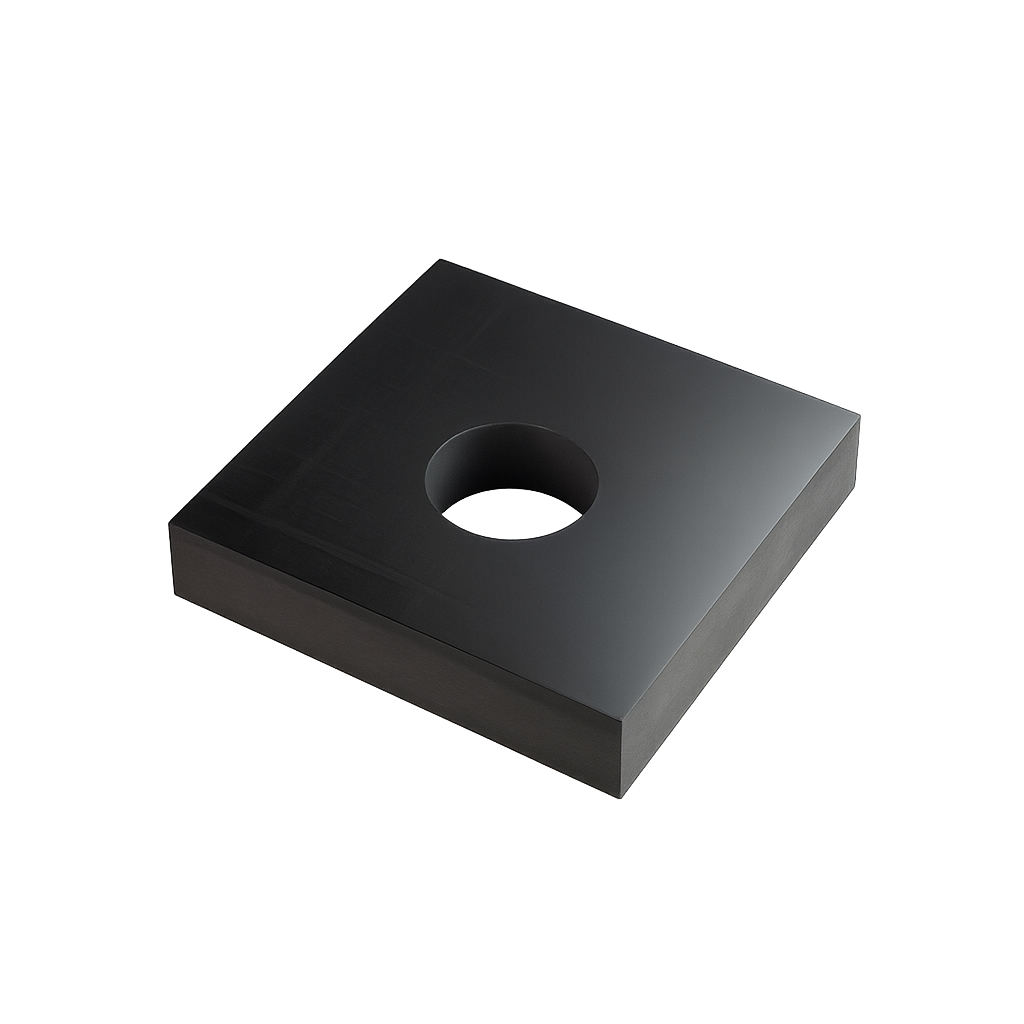
THERMO X is a load-bearing structural thermal break plate designed to support and separate load-bearing components in structural joints. It transfers compressive loads between elements, interrupts thermal bridges and prevents direct metal-to-metal contact, thereby eliminating galvanic (contact) corrosion in steel-to-concrete joints, façade brackets, balcony slab supports and girder joints. The plate is made of high-performance composite with a declared compressive strength fc,k ≥ 200 N/mm² and a thermal conductivity λ = 0.28 W/(m·K). Technical properties, installation guidance and specification text are given in the THERMO X technical data sheet (PDF).
Where THERMO X is used
- Supports of precast and cast-in-place reinforced concrete structures.
- Head plate connections (steel-to-concrete and steel-to-steel).
- Façade and curtain wall bracket connections.
- Stair, balcony, parapet and cantilever connections.
- Other joints requiring simultaneous load transfer, thermal insulation and corrosion separation.
Key properties of THERMO X
- Declared compressive strength fc,k ≥ 200 N/mm² (perpendicular to the surface), tensile strength ≥ 200 N/mm².
- Thermal conductivity λ = 0.28 W/(m·K) – interrupts thermal bridges in structural joints.
- Modulus of elasticity in compression ≈ 25 000 N/mm², density 2.00 g/cm³.
- Dimensionally stable, with low creep and low water absorption.
- Service temperature from −40 to +100 °C.
- Separates steel components and prevents galvanic (contact) corrosion.
Installation
- Install the plates on flat, clean surfaces free of indentations or protrusions; concrete, steel or timber surfaces must be free of debris, grease, solvents, ice or oil.
- The plate shall fully cover the bearing area in accordance with the structural drawing.
- Bolts, anchors and other connectors must pass through pre-machined holes; do not drill through an installed plate without consulting the manufacturer.
- Ensure correct orientation when chamfered, slotted or shaped edges are specified.
Sizes, shapes and tolerances
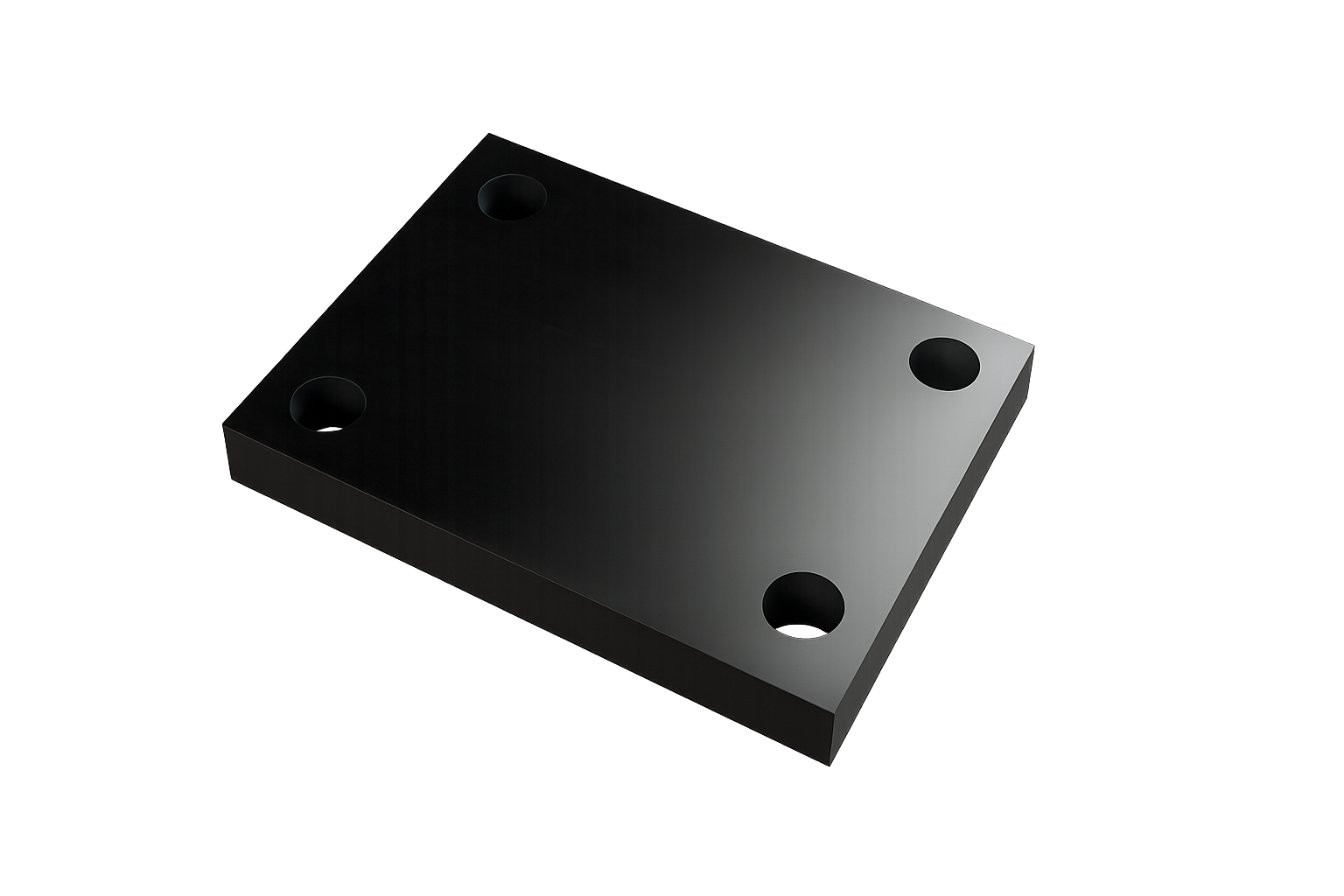
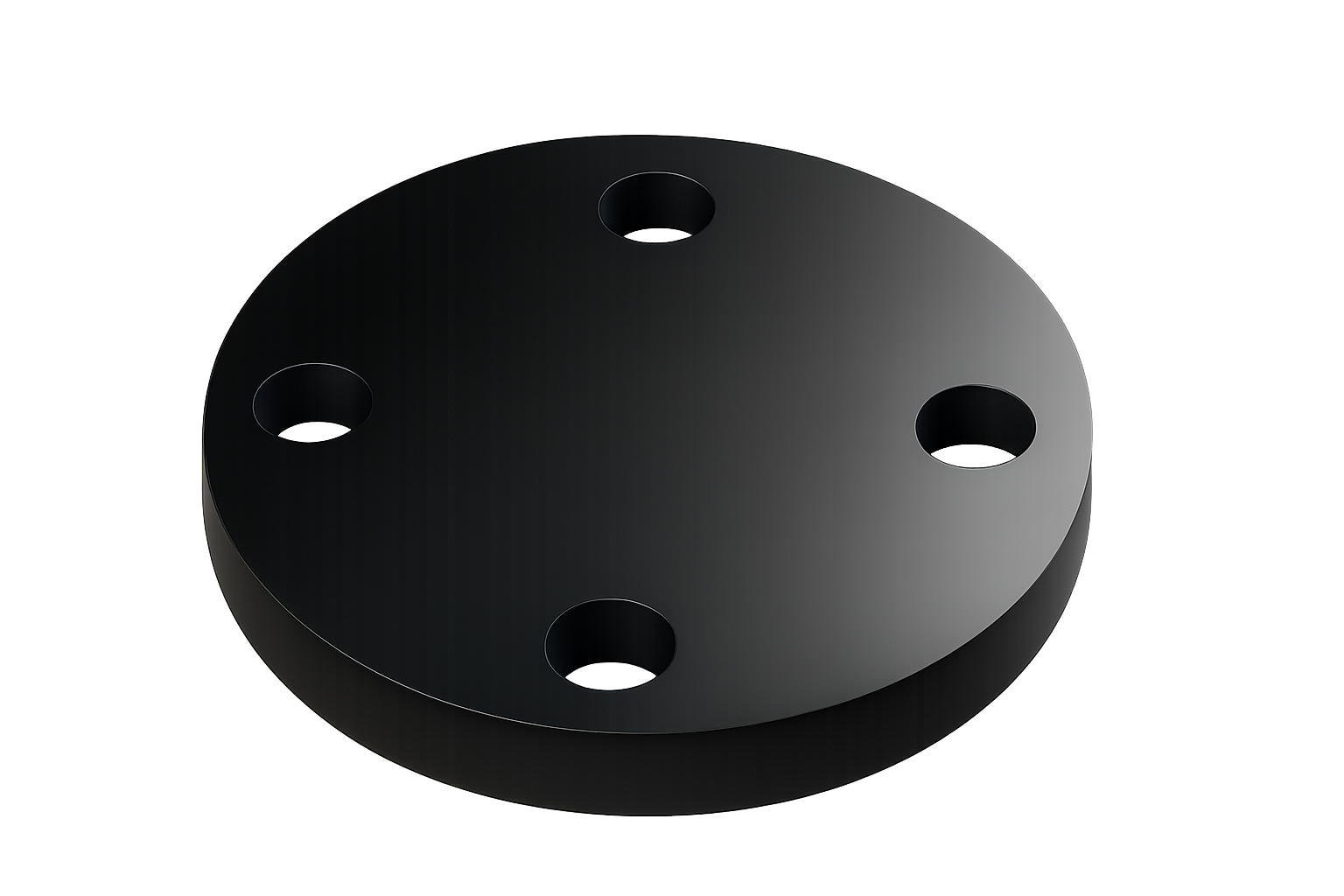
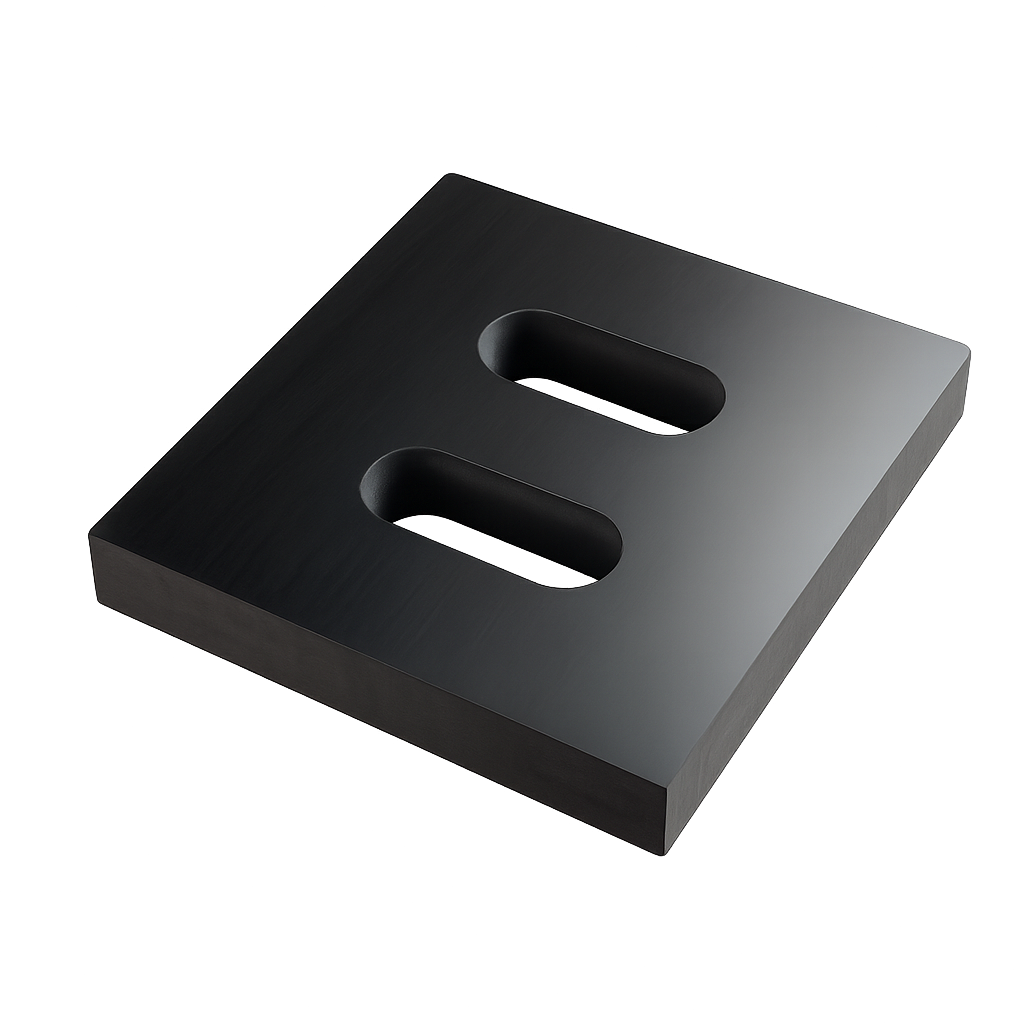
The maximum standard sheet format is 1220 × 2040 mm; other formats are available on request. Standard thicknesses are 10, 15 and 20 mm; non-standard thicknesses up to 50 mm are available on special order. Tolerances: length ±5 mm, width ±3 mm, thickness ±0.5 mm, hole position ±1 mm. Plates are made to project geometry:
- with a chamfered edge;
- with a rectangular or round hole;
- with a slot;
- with a rectangular cut-out;
- with a cut corner or oblique cut.
Frequently asked questions
What load can a THERMO X plate carry?
The declared compressive strength fc,k is at least 200 N/mm² perpendicular to the plate surface, and the modulus of elasticity in compression is ≈ 25 000 N/mm². The values are declared minimum / typical values for serial production; project-specific testing can be arranged on demand.
How does THERMO X reduce thermal bridges?
The plate has a thermal conductivity λ = 0.28 W/(m·K) – far lower than steel or reinforced concrete. Installed between steel and concrete components, it interrupts the heat flow through the joint while transferring the load.
Does THERMO X prevent contact corrosion?
Yes. The plate prevents direct metal-to-metal contact, thereby eliminating galvanic (contact) corrosion between steel parts at connection points.
Can plates be ordered to a drawing?
Yes. We make plates to project geometry – with holes, slots, cut-outs, chamfered edges or oblique cuts. Standard thicknesses are 10, 15 and 20 mm, and up to 50 mm on order.
How should THERMO X plates be stored?
Flat on a clean, dry surface, protected from direct sunlight and mechanical damage, with the packaging kept closed until installation. There is no shelf-life limitation under proper storage conditions.
All load-bearing thermal bridge elimination solutions.