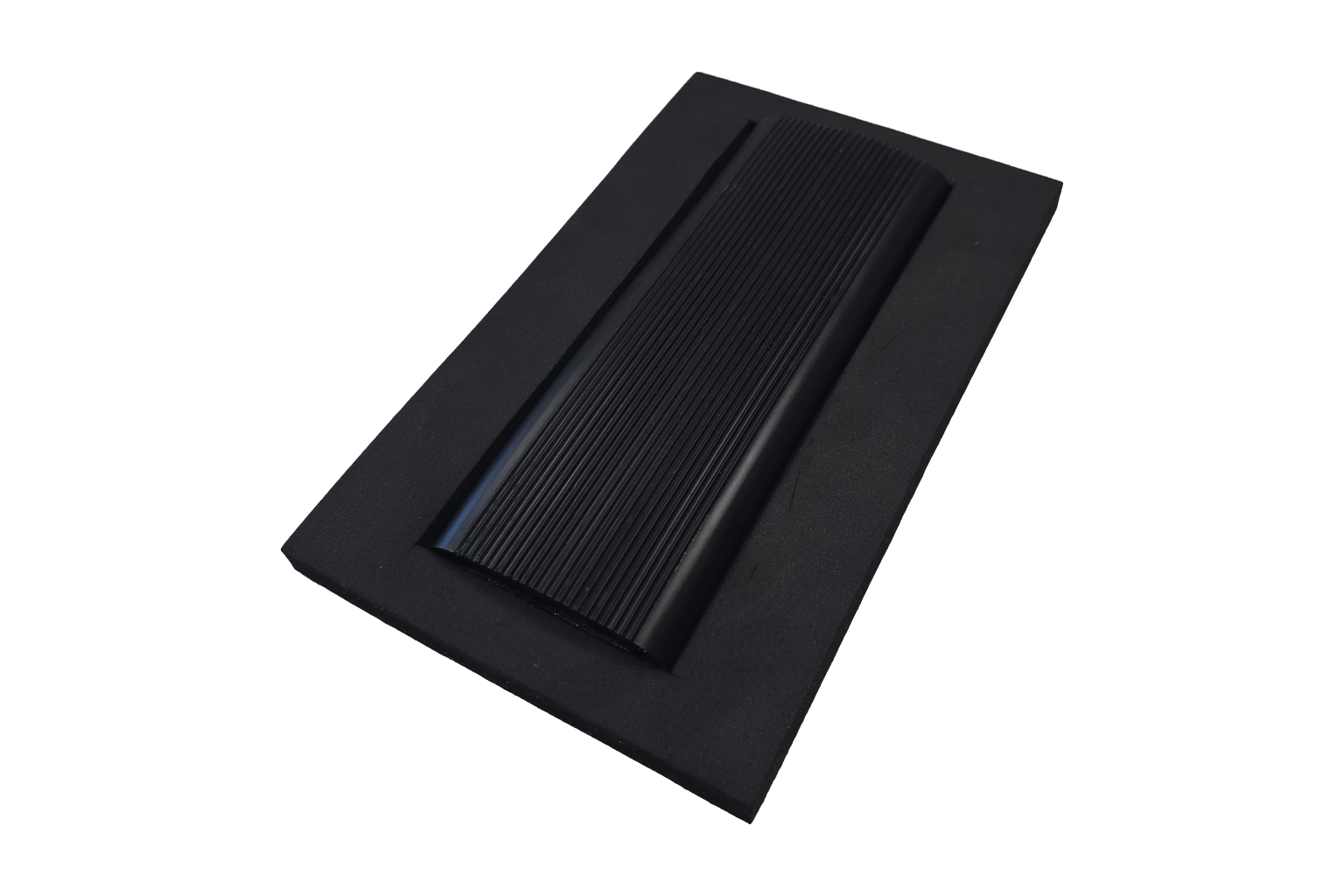
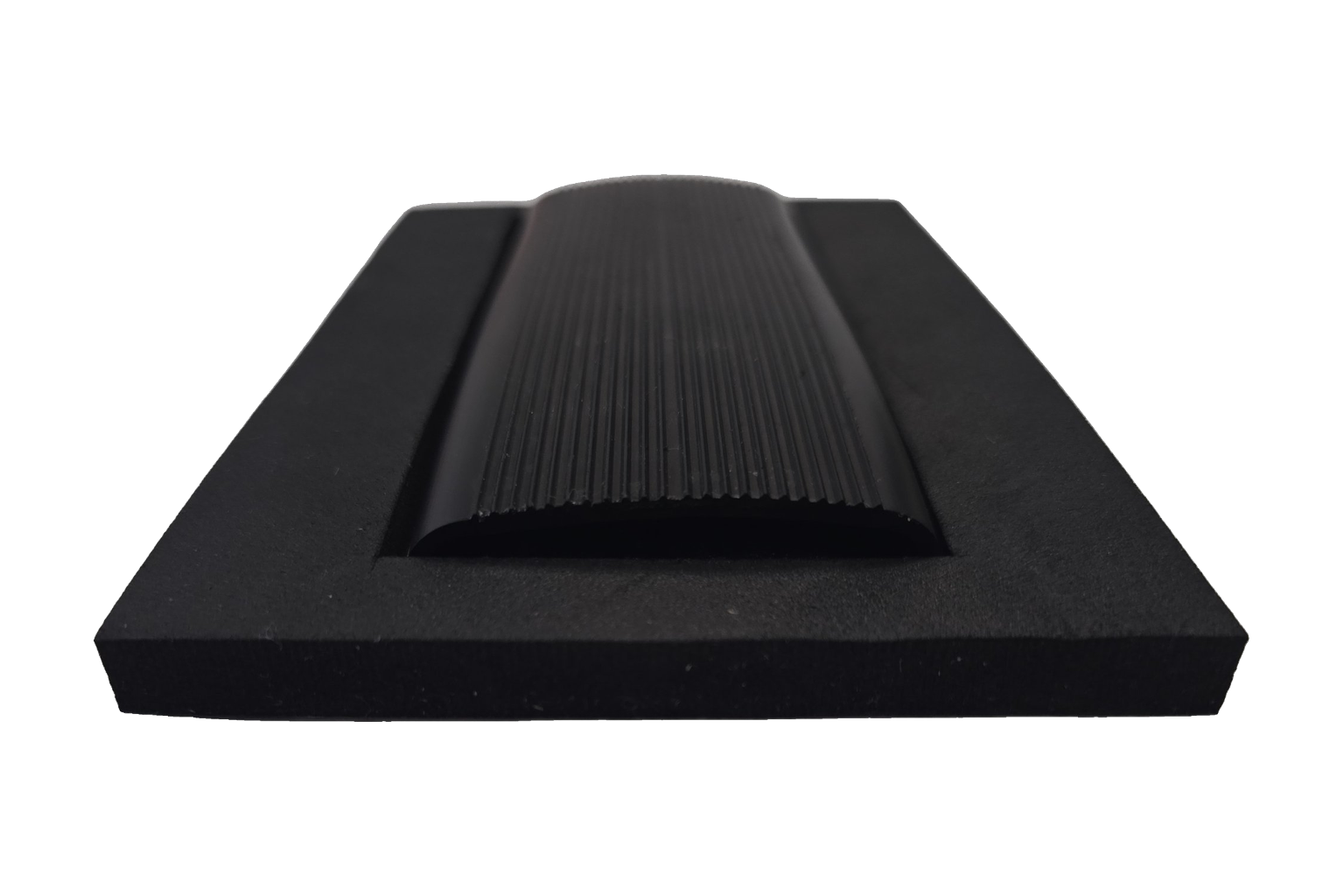
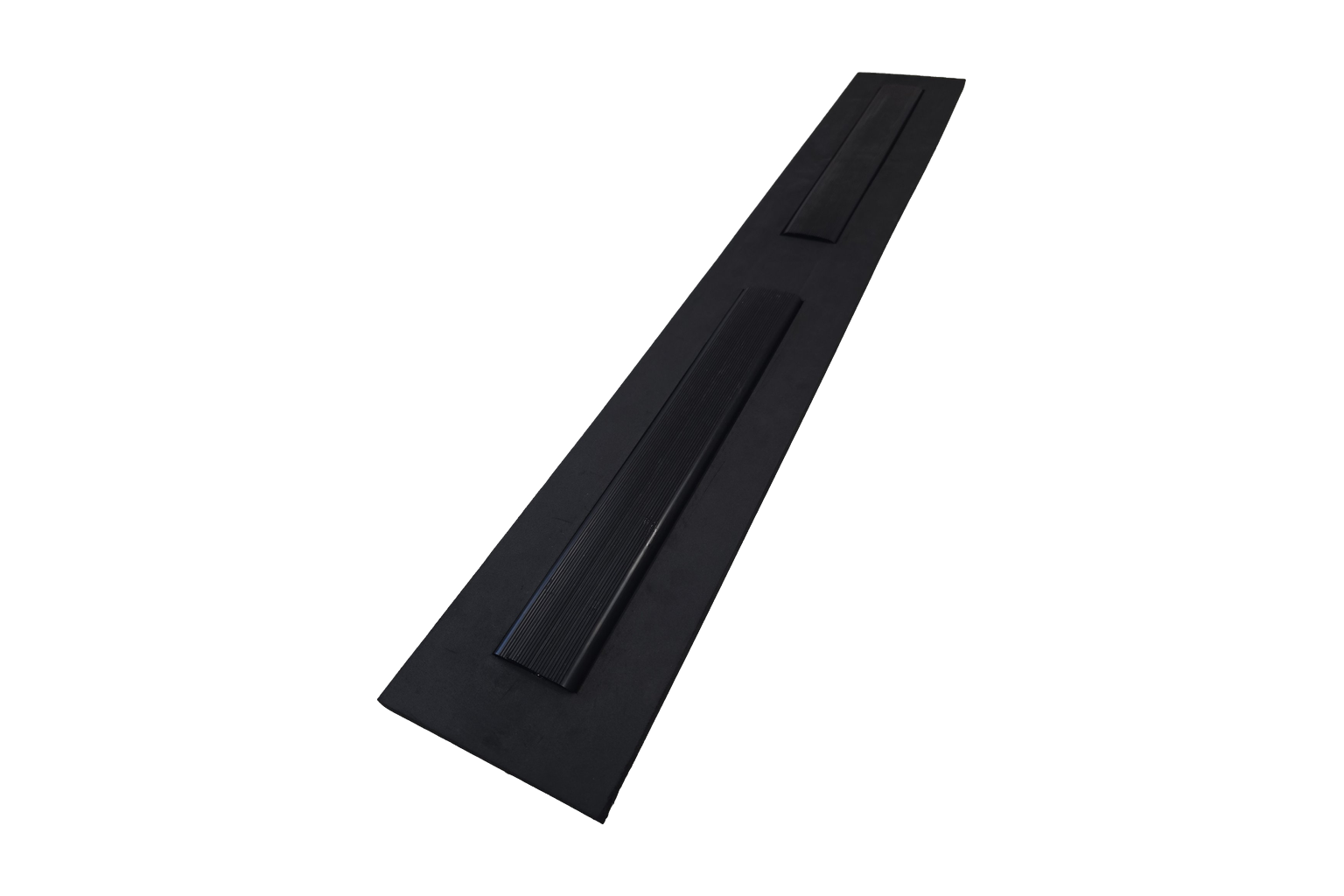
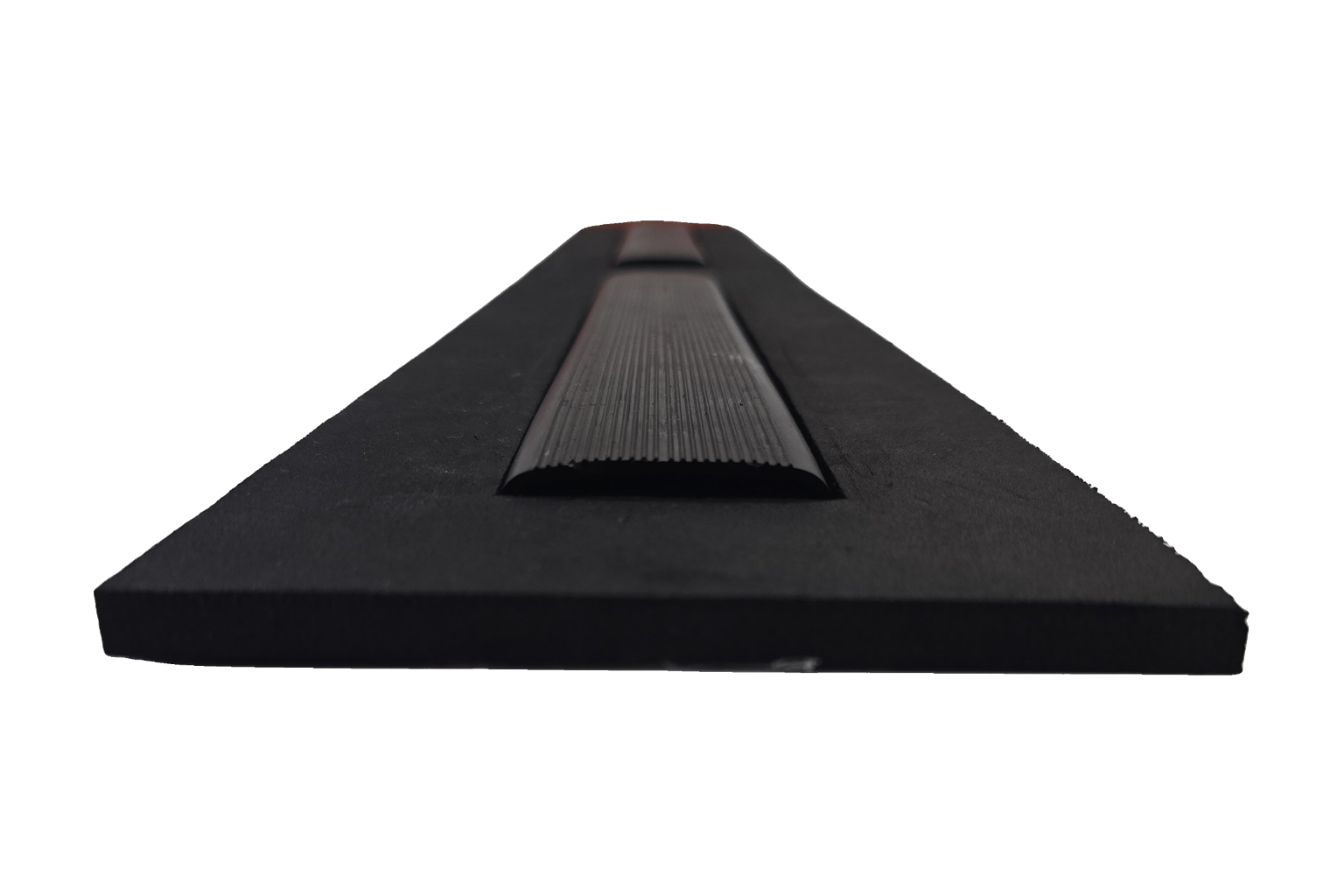
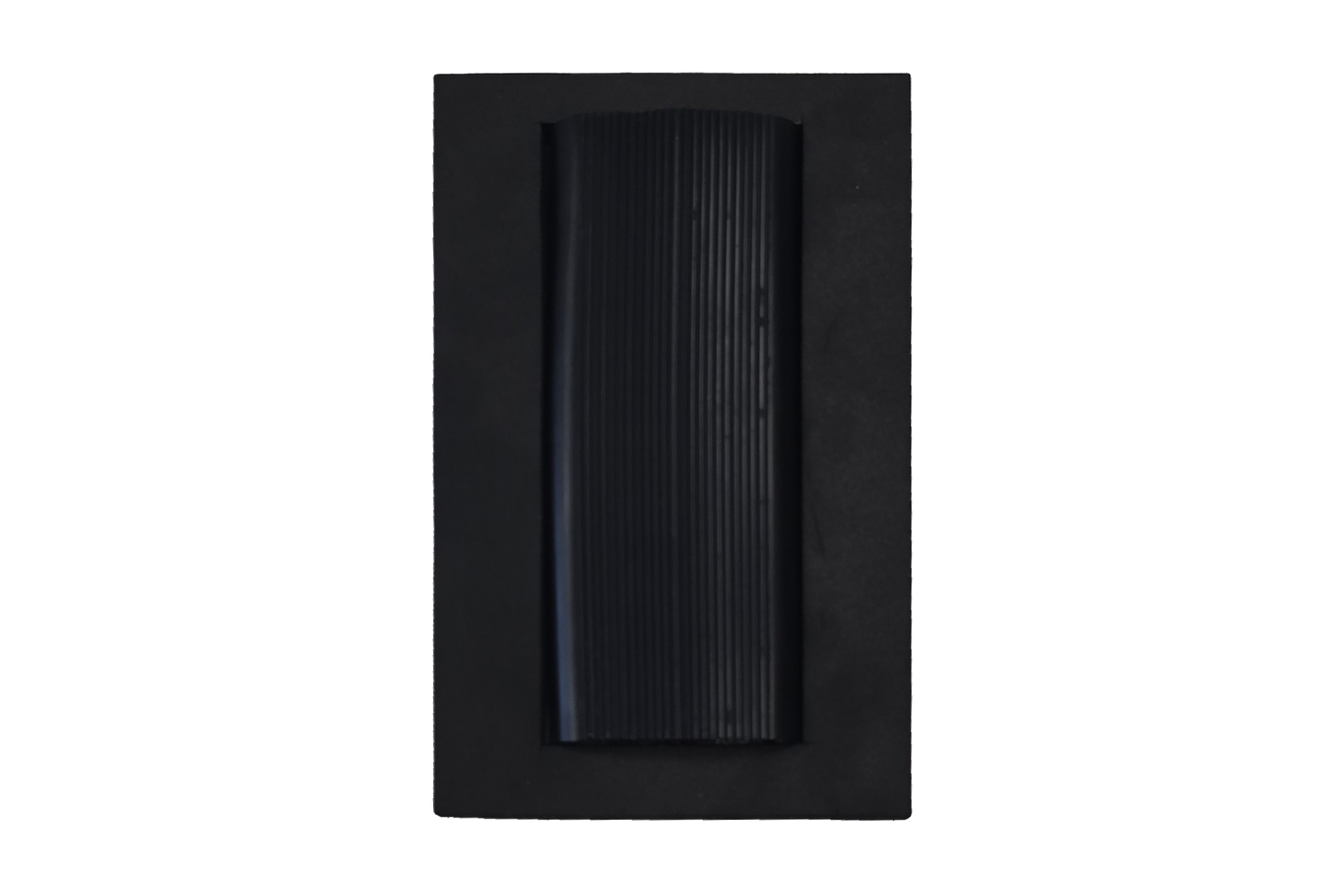
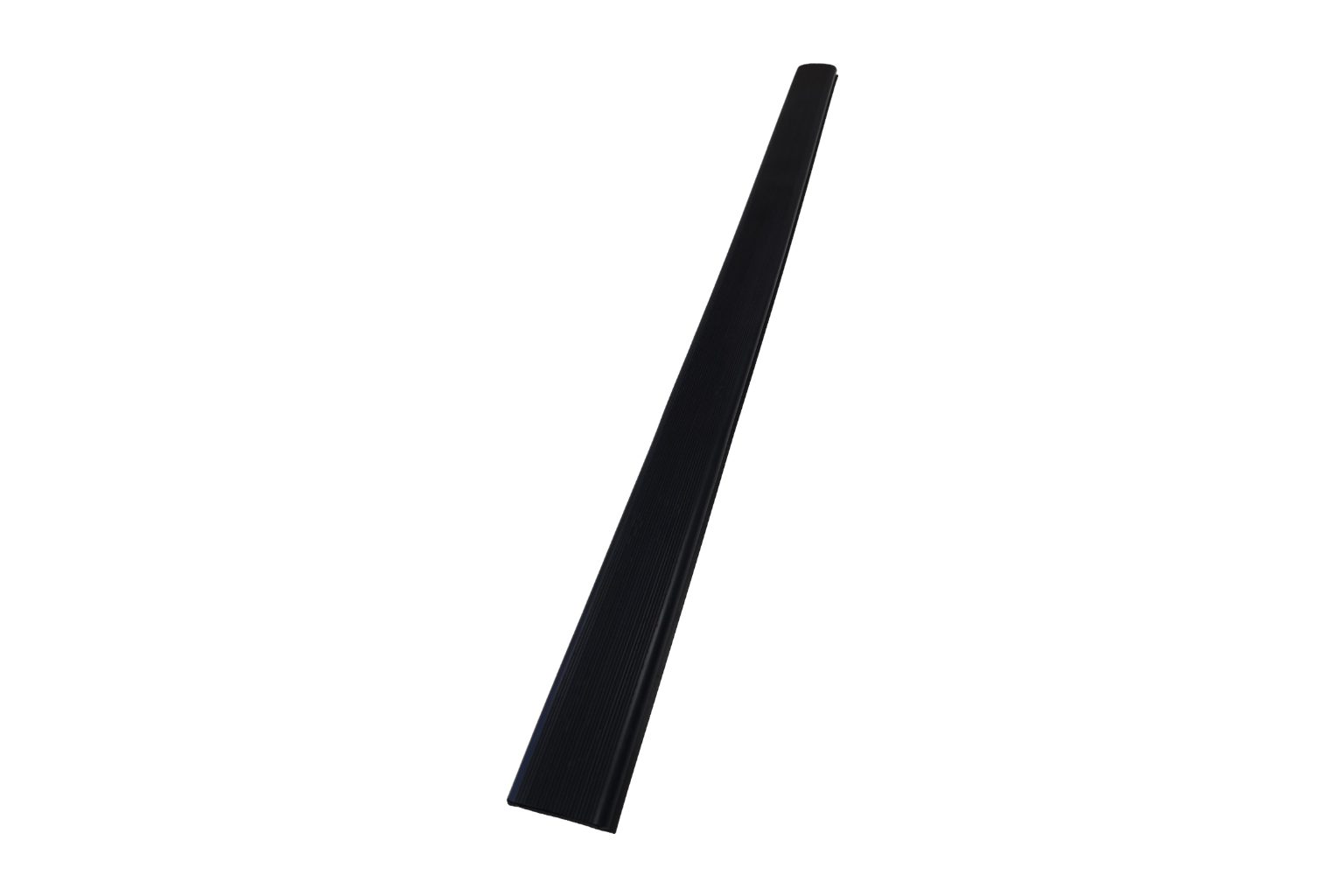
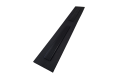
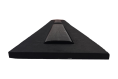

SLIDELINE – elastomeric linear sliding bearing
SLIDELINE is a sliding elastomeric bearing – a linear sliding support designed for the safe sliding of reinforced concrete structural elements (columns, beams, slabs, lintels, etc.) under high compressive loads. It accommodates movements caused by temperature, shrinkage, creep and loading, while reliably transferring vertical loads to the support. The EPDM elastomer core with a silicone grease sliding layer is enclosed in a continuous elastomer jacket, so the sliding zone is protected from moisture, dirt and mechanical damage. Design values, calculation of transverse tensile forces, installation and storage guidance and specification text are given in the SLIDELINE technical data sheet (PDF).
Where SLIDELINE is used
- Supports of precast concrete beams, slabs, lintels and other elements.
- Supports of cast-in-place concrete structures (SLIDELINE with protective shell).
- Mixed precast and cast-in-place concrete supports.
- Supports of timber structures.
- On steel, masonry or other contact surfaces – subject to agreement with the manufacturer.
Key properties of SLIDELINE
- Permissible characteristic load 300 kN/m’, permissible compressive stress 5.0 N/mm², minimum 1.0 N/mm².
- Sliding movement up to ±25 mm perpendicular to the bearing axis and up to ±15 mm along the axis.
- Design coefficient of friction μ = 0.15 at temperatures down to –35 °C; low breakaway friction and a constant coefficient of friction.
- Permissible rotation 15 ‰, compression at maximum load not more than 25 % of the thickness.
- Service temperature –35 to +70 °C, elastomer hardness 70 ± 5 Shore A.
- The sliding zone is enclosed in a continuous elastomer jacket – the bearing performs consistently throughout its service life.
Installation
- The bearing is placed on a clean, dry reinforced concrete surface with unevenness not exceeding ±2 mm over 1 m, within the reinforced zone. Installation tolerances: position in plan ±10 mm, axis rotation ±5 mm/m.
- Reinforcement resisting the transverse tensile forces must be in place before the bearing is installed.
- In precast construction the bearing is fixed only at points or with double-sided adhesive tape; the element is lowered vertically without dragging.
- In cast-in-place construction the bearing with its protective shell is fixed through the formwork edges; concrete is placed evenly on both sides and cement laitance must not enter the sliding plane.
- The strip can be cut on site with a sharp knife perpendicular to its axis without damaging the jacket. A damaged bearing cannot be repaired – it must be replaced.
Dimensions and tolerances
Standard width 60 mm, thickness 10 mm; other widths are made to order. The strip is supplied in rolls of up to 10 m or cut to length; with the protective shell (shell width to suit the support, min. 100 mm) – in 1 000 mm long elements. Tolerances: width ±2 mm, thickness ±0.5 mm, length +10 / –0 mm per metre.
Frequently asked questions
What load and movement can SLIDELINE take?
The permissible characteristic load is 300 kN/m’ (permissible compressive stress 5.0 N/mm²). The bearing allows sliding of up to ±25 mm perpendicular to its axis and up to ±15 mm along the axis, and a support rotation of up to 15 ‰.
What is the coefficient of friction of SLIDELINE?
The design value including a safety margin is μ = 0.15 at temperatures down to –35 °C. The silicone grease, also used in bridge bearings, ensures low breakaway friction and a constant coefficient of friction throughout the service life.
How are transverse tensile forces in the joint calculated?
The transverse tensile force is determined according to DAfStB Heft 339 (formerly DIN 4141-15): Zq = 1.5 × F × t × a × 10⁻⁵. For example, for a 1 000 mm long bearing with F = 300 kN and t = 10 mm, Zq = 2.7 kN transversely and 45 kN longitudinally. These forces must be resisted by reinforcement in the adjacent elements; the support zone is verified according to EN 1992-1-1, 6.7.
When is SLIDELINE with a protective shell needed?
The protective shell is used in cast-in-place structures – it protects the bearing during concreting. The shell width is selected to suit the support width (min. 100 mm), and the elements are supplied 1 000 mm long.
How should SLIDELINE bearings be stored?
In their original packaging in a closed, dry and ventilated room at –20 to +40 °C, protected from sunlight, UV radiation, ozone and chemicals, on pallets. Properly stored bearings retain their properties for at least 24 months from the date of manufacture.
Related products
- SLIDEBLOCK and SLIDEBLOCK HD – elastomeric sliding pads for point supports.
- All sliding elastomeric pads and strips.